
Freemeteo
Freemeteo screenshots (6)
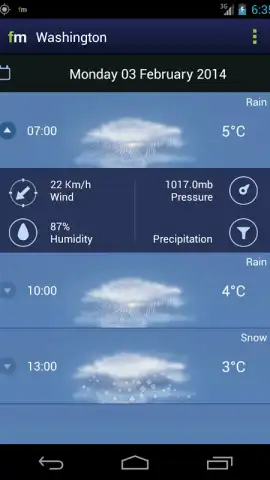
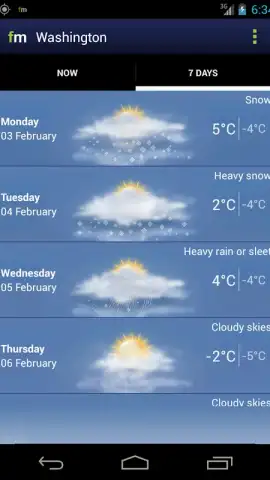
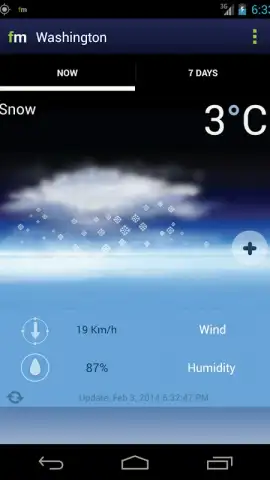
Description Freemeteo
A Practical Review of Freemeteo: The Data-Driven Weather Platform
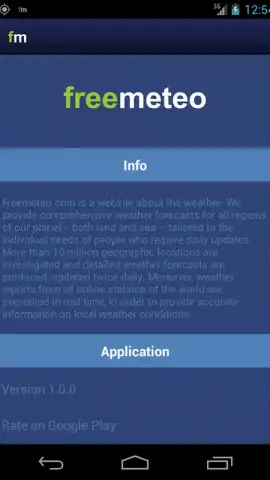
In the crowded field of weather applications, users often face a choice between overly simplistic forecasts and cluttered, ad-heavy interfaces. Freemeteo enters this space with a distinct proposition, positioning itself not merely as a forecast viewer but as a comprehensive meteorological data platform. The core experience begins with its global reach, sourcing and processing real-time atmospheric data for over ten million specific locations worldwide. This review examines the operational mechanics of Freemeteo, from its data update protocols to its system-level integrations, to assess its utility for daily planning and specialized activities like maritime navigation.
Functional Analysis and Core Mechanics
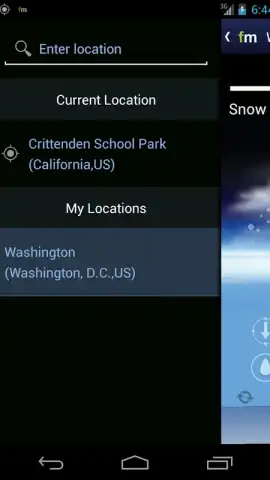
The application’s primary function is the delivery of processed weather data. Forecasts are algorithmically compiled and undergo systematic updates twice daily, a standard practice for ensuring baseline data currency. The platform utilizes both automated geolocation services and a manual smart search function. When permissions are granted, the GPS-based service provides immediate, location-specific condition updates. If location services are disabled, the application remains fully operational, requiring manual entry of a city or coordinates, which it resolves using its extensive location database.
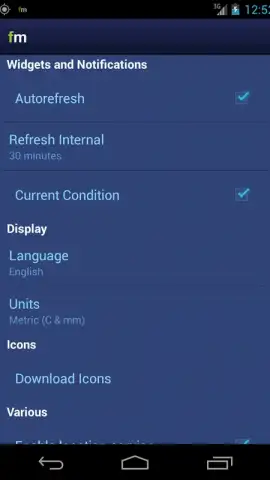
Beyond current conditions, the platform structures data across multiple timeframes. Users can access a standard seven-day outlook alongside a more granular, detailed hourly forecast, which is critical for tracking precise precipitation windows or temperature shifts throughout a day. A notable functional layer is the customizable weather alert system. This tool allows users to set parameters for notifications—such as precipitation start times or wind speed thresholds—enabling proactive planning without requiring constant app engagement. The interface employs a modern, clean design with symbolic icons for various weather phenomena, prioritizing clarity and reducing interpretive friction during quick glances.
System Integration and Operational Specifications
Freemeteo’s functionality extends to the device’s operating system through widget support. It is important to note that, in accordance with Android standards, the widget feature requires the application to be installed on the device's internal storage, not on an external SD card. The application is designed for seamless operation on devices running Android 5.0 (Lollipop) and above. Regarding data, the application collects necessary location information for core services. Its privacy policy states that user data is kept confidential, adhering to strict data protection guidelines without sharing with third parties, and it manages cookie usage transparently within its web-view components. The platform also supports multiple languages, broadening its accessibility for a global user base.
- Global forecasts for 10+ million locations
- Detailed hourly and 7-day weather projections
- Customizable, parameter-based weather alerts
- Modern interface with multi-language support
The platform serves as a centralized source for personalized weather intelligence. Its structure is designed to translate complex meteorological data into an accessible format, aiming to inform daily logistics, travel plans, and outdoor activities with a focus on reliability over stylistic flair.
Download Freemeteo now to access professional-grade weather tracking. This is a limited-time opportunity for new users to experience an ad-free weather platform with exclusive early access to upcoming premium features.
Internet required. IAP available.


