

Farm Simulator: Farming Sim 22
Farm Simulator: Farming Sim 22 screenshots (10)
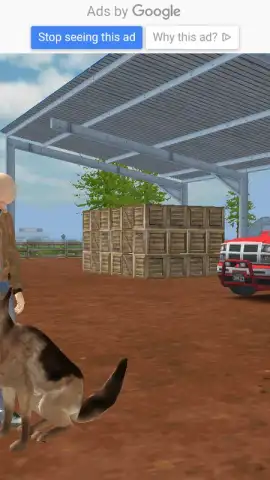

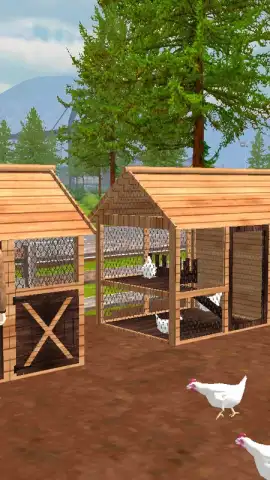

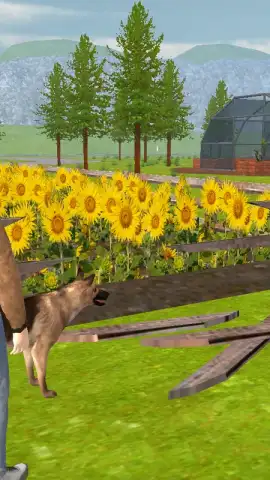
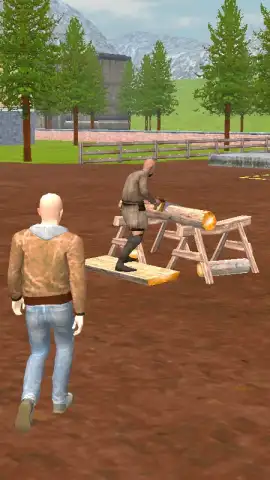


Description Farm Simulator: Farming Sim 22
A Methodical Look at Modern Mobile Farming
For players seeking a comprehensive agricultural management experience on mobile, the challenge often lies in finding a simulator that balances depth with accessibility. Many titles offer either overly simplistic mechanics or become bogged down in complexity. Farm Simulator: Farming Sim 22 by Climax Game Studios presents itself as a contender in this space, positioning as a full-spectrum farming operation simulator designed for touchscreen devices. This analysis examines its core gameplay loops, management systems, and overall execution to determine its place within the simulation genre.
Core Gameplay and Operational Mechanics
Farm Simulator: Farming Sim 22 structures its progression around the foundational cycle of modern agriculture. Players begin with a basic plot of land and are guided through a series of initial tasks that establish the primary gameplay pillars. The central loop involves the meticulous planning and execution of seasonal work: preparing soil, selecting and sowing crops, managing their growth, and finally harvesting the yield for profit. This capital is then reinvested into expanding operations, purchasing new equipment, or diversifying into livestock. The control scheme is built around a virtual joystick for movement and context-sensitive action buttons, aiming to translate the multifaceted operations of farm machinery—from tractors with plow attachments to combine harvesters—into intuitive touch inputs. The game attempts to simulate a gradual ownership experience, where every decision, from crop rotation schedules to the expansion of storage facilities, impacts the economic viability of your farm.
Management Depth and Customization Framework
Beyond the initial fieldwork, the game introduces layers of operational management. A key feature is the construction and placement system for farm infrastructure. Players can erect various functional buildings such as barns for animal husbandry, silos for crop storage, and workshops for vehicle maintenance. This spatial planning becomes a strategic element, as efficient layout can streamline workflow. The animal husbandry system adds another management branch, requiring consistent routines of feeding, watering, and care to produce secondary goods like milk or wool. Furthermore, the game offers a degree of aesthetic and functional customization for the farmstead, allowing players to arrange elements, choose from different vehicle models, and shape the land to their preferred operational flow, promoting a sense of personalized progression.
Detailed Feature Analysis
The simulator's scope is defined by the following interconnected systems:
- Complete Agricultural Cycle Management: Execute every phase from soil tilling and fertilization to precise crop harvesting and sale at dynamic market prices.
- Diverse Machinery Operation: Take direct control of authentic farm vehicles including tractors, seeders, harvesters, and transport trucks, each with specific functions.
- Infrastructure Construction and Planning: Build and strategically place functional buildings like barns, silos, and coops to create an efficient farm layout.
- Comprehensive Animal Husbandry: Care for livestock such as cows, sheep, and chickens, managing their health and productivity for renewable resources.
- Resource and Economic Strategy: Balance budgets, invest profits wisely into new land or technology, and manage supply chains for sustained farm growth.
We suggest trying Farm Simulator: Farming Sim 22 if you are looking for a detailed, hands-on management simulator that focuses on the operational realities of running a modern farm from the ground up. Consider downloading the game to experience its methodical progression and systemic depth firsthand.
Download game now
Please note: This game requires an internet connection for certain features and may contain in-app purchases for additional virtual items.
 GooglePlay


