

Traffic Rider
Traffic Rider screenshots (15)
Description Traffic Rider
A First-Person Ride Through Digital Traffic
The experience begins not on a starting grid, but in the flow of traffic. You are on a motorcycle, navigating a stream of cars where precision is the primary mechanic. Traffic Rider positions the player directly in the rider's seat, framing progression not through laps on a track, but through survival and mission completion on busy highways. This perspective fundamentally shifts the racing genre's priorities from pure speed to a combination of spatial awareness, risk assessment, and controlled velocity.
Core Gameplay Mechanics and Feature Analysis
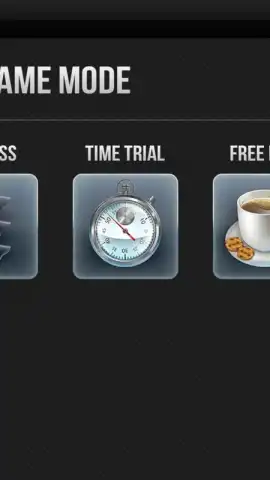
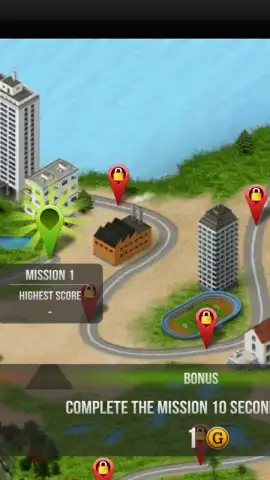
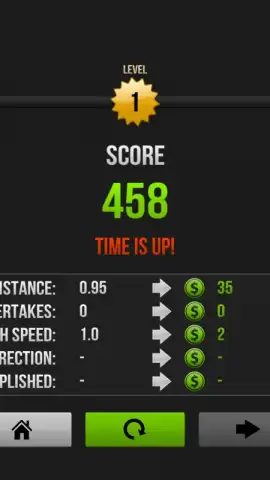
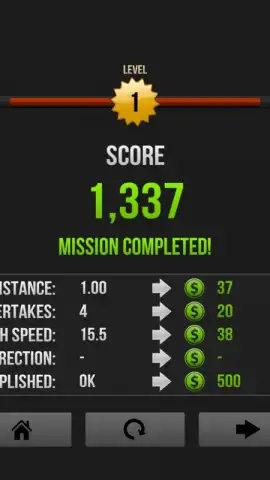
The central objective involves navigating through dynamically generated traffic on linear highways. The primary challenge stems from maintaining high speed while avoiding collisions with other vehicles, which result in mission failure or the end of a run. The game tracks proximity to other cars, rewarding closer, safe passes with in-game currency. Two central modes structure play: a Mission-based Career mode with defined objectives like reaching a destination within a time limit or overtaking a set number of cars, and an Endless mode focused on achieving the longest possible distance without crashing. Difficulty scales inherently as speed increases, demanding faster reaction times.
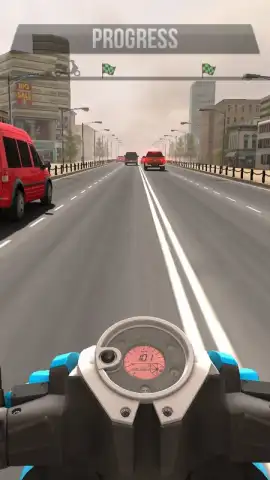
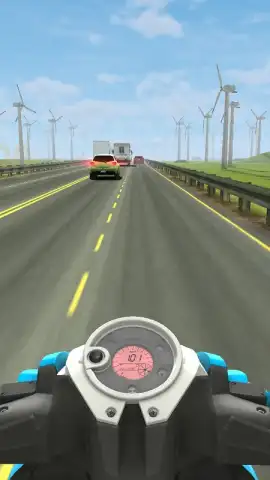
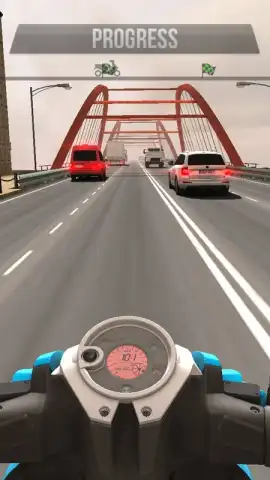
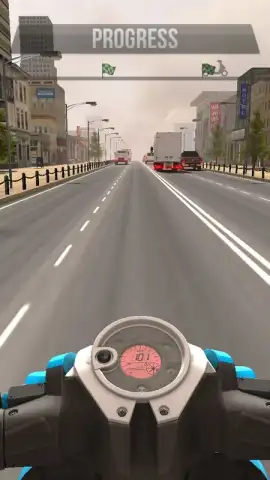
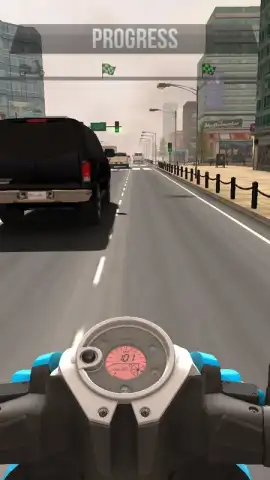
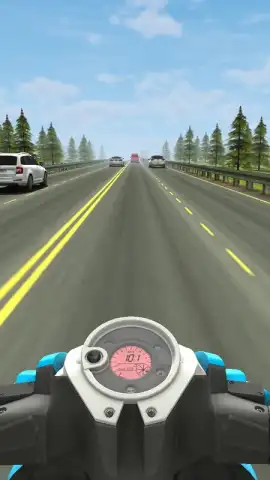
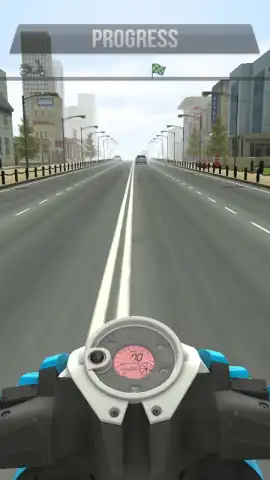
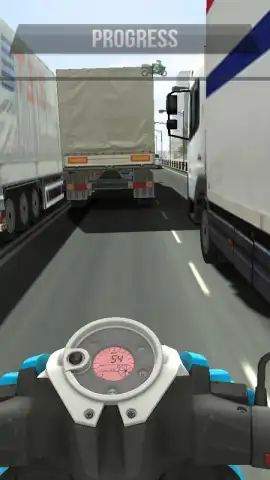
A key differentiator is the unwavering first-person perspective. This view is anchored to the rider's helmet, providing a realistic field of vision that includes a functional speedometer, rearview mirrors showing approaching traffic, and the motorcycle's handlebars. This perspective increases immersion but also practical difficulty, as judging distances and the speed of oncoming vehicles in adjacent lanes requires acclimatization. The control scheme is simplified for touchscreens, typically involving tilt or touch-based steering, a button for acceleration, and a button for braking. The physics model emphasizes accessibility, with bikes offering stable handling at speed.
Vehicle Progression and Customization Systems
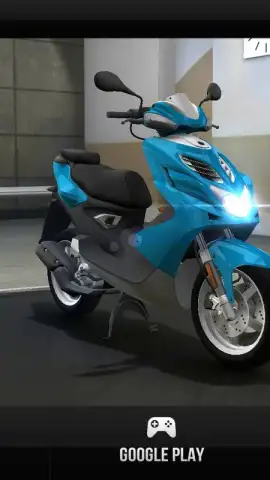
Progression is tied to a motorcycle collection and upgrade system. Players begin with a standard bike and earn money from completed missions and successful rides to purchase new models. Each motorcycle has distinct base statistics for top speed, acceleration, handling, and braking. These core attributes can be improved incrementally through a paid upgrade path, allowing for performance tuning. Aesthetic customization is present, though limited, typically allowing for changes to the motorcycle's primary color scheme. The garage serves as a visual representation of player progression, with higher-tier bikes featuring more detailed models.
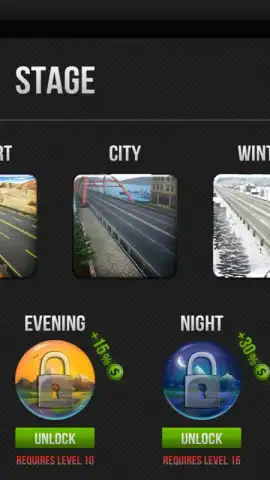
The game's environment is a continuous highway system with varying times of day and weather conditions, such as fog or night riding, which visually alter the experience and can impact visibility. The graphical presentation prioritizes smooth performance on mobile devices, with detailed vehicle models and traffic density creating a convincing sense of high-speed travel. The sound design includes distinct engine notes for different motorcycles, ambient wind noise, and traffic sounds, all contributing to the first-person immersion.
- First-person motorcycle riding perspective
- Mission-based career and endless modes
- Multiple bikes with upgrade paths
- Traffic-dense highway environments
We suggest trying Traffic Rider for a focused take on arcade racing that prioritizes immersion and precision over complex track layouts. Consider downloading it if you enjoy skill-based traffic navigation games.
A network connection may be required for certain features. This application offers in-app purchases for virtual currency and items.
 GooglePlay


